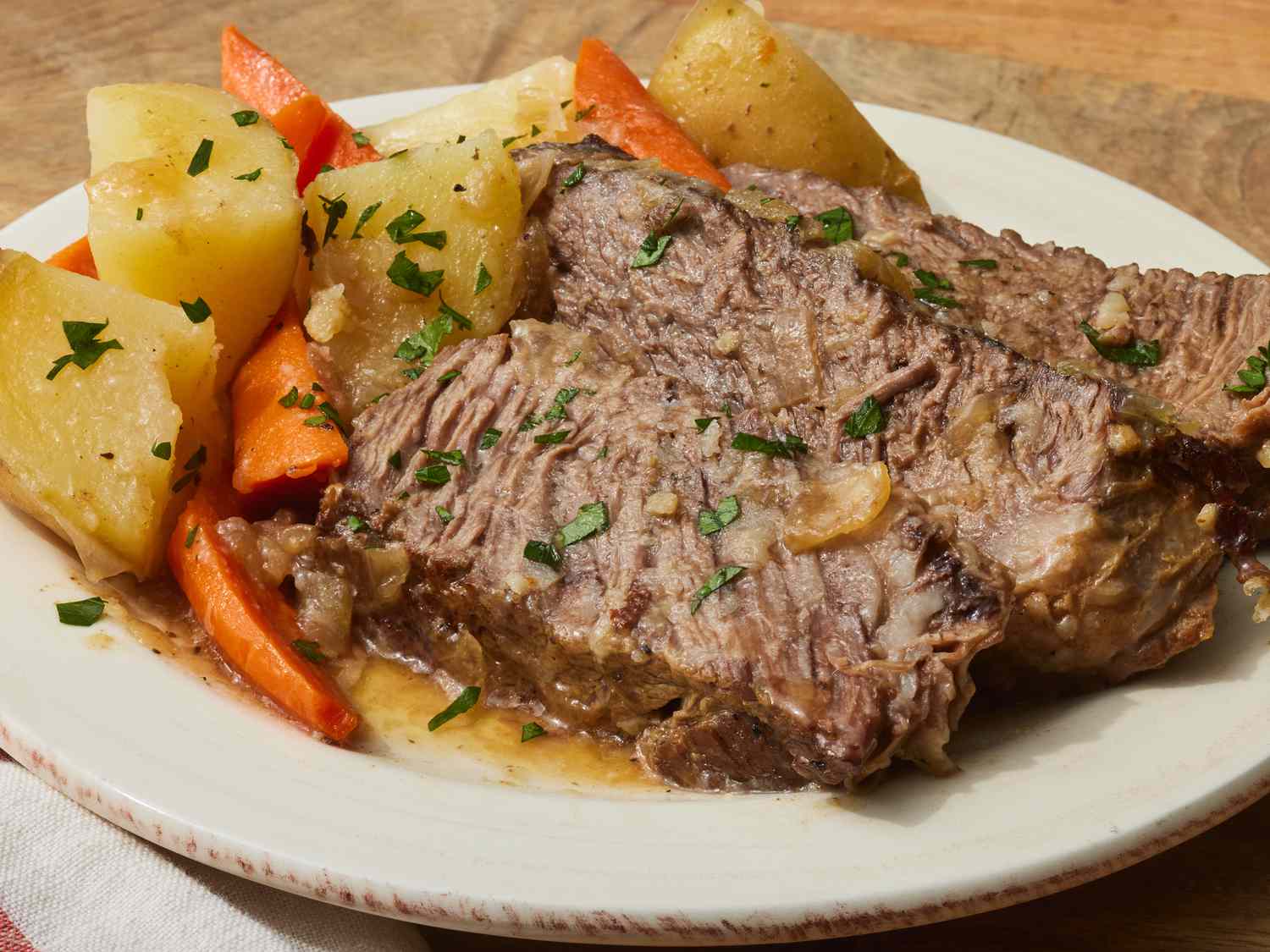
Unlocking the Secrets to the Perfect Pot Roast Recipe: Your Essential Q&A Guide
There are few meals as comforting, satisfying, and universally loved as a perfectly cooked pot roast. It’s the kind of dish that evokes warmth, family gatherings, and the promise of melt-in-your-mouth tenderness. Yet, for many home cooks, achieving that elusive perfection can feel like a culinary quest filled with questions. How do you get that deep, rich flavor? What's the secret to incredibly tender meat? And what's the best approach to ensure success every time?
We've all been there, enduring a few chewy disappointments on the journey to that ideal pot roast recipe. But rest assured, with a few fundamental rules and insights, you can consistently create a dish that earns rave reviews. Let's dive into the most common questions about crafting the ultimate pot roast.
The Foundation of Flavor: Selecting Your Cut and Browning Techniques
The journey to an unforgettable pot roast begins long before it ever hits the heat. The choices you make regarding your meat and initial preparation steps lay the groundwork for a truly flavorful experience.
Choosing the Right Meat for a Tender Pot Roast Recipe
When it comes to selecting the best cut for a pot roast, patience and wisdom suggest opting for specific, tougher cuts of meat. My top recommendation, echoed by many culinary experts, is the
chuck roast. Why chuck? It boasts wonderful marbling—those streaks of fat woven throughout the muscle—and contains a good amount of connective tissue. When cooked low and slow over an extended period, this connective tissue breaks down, transforming into gelatin that infuses the meat with incredible moisture and that signature fall-apart tenderness.
Other excellent choices include
brisket or
bottom round. These cuts, like chuck, are inherently tougher but are precisely what you want for braising. They thrive under long, gentle cooking, allowing their sturdy fibers to relax and become succulent. The golden rule here is simple:
you cannot rush a pot roast. Impatience will only lead to a dry, chewy result. Embrace the "low and slow" philosophy, and your reward will be an irresistibly tender dish. For more insights on this crucial aspect, check out
Perfect Pot Roast: Why Cut & Patience Lead to Tenderness.
To Brown or Not to Brown? The Flavor Debate
This is a frequently debated step in many a pot roast recipe. Is browning the meat absolutely crucial? In the strictest sense, no, your pot roast will still cook through and be edible without it. However, will it result in an absolutely, positively
better pot roast?
Absolutely, yes!
Browning the meat, and often the accompanying vegetables, at the start of your cooking process is a flavor powerhouse. This process, known as the Maillard reaction, creates a crisp, caramelized crust on the exterior of the meat, developing hundreds of complex flavor compounds that simply cannot be achieved through braising alone. This deep, savory richness then carries through the entire dish, creating a more robust and satisfying pot roast.
Practical Tip: To achieve a superior sear, pat your meat thoroughly dry with paper towels before seasoning. Cook in batches if necessary to avoid overcrowding the pan, which can steam the meat instead of browning it. Use a high heat and don't move the meat until a beautiful crust has formed. The fond (the browned bits left at the bottom of the pan) will be deglazed later, adding even more depth.
Elevating Your Pot Roast Recipe: Wine, Substitutions, and Moisture Mastery
Beyond the meat itself, the liquids and the way you manage moisture during cooking are critical components of a truly outstanding pot roast recipe.
Deciphering Red Wine Choices for Pot Roast
Adding red wine to your pot roast isn't just for fancy chefs; it's a fantastic way to introduce acidity, complexity, and a layer of sophistication to your braising liquid. Any dry red wine works wonderfully. You don't need to splurge on an expensive bottle; an affordable yet drinkable option will do the trick. Look for varieties like a
Cabernet Sauvignon or
Merlot. These provide a good balance of fruit and savory notes without being overpowering.
The key is to
avoid sweeter varieties, as their sugars can caramelize too much or create an unbalanced flavor profile. The acidity in dry red wine also helps to tenderize the meat slightly and contributes to the richness of the final gravy.
Making a Flavorful Pot Roast Without Wine
For those who prefer to skip the alcohol, whether for dietary reasons or personal preference, rest assured that you can still create an incredibly rich and flavorful pot roast recipe. The solution is simple and effective: use
beef stock.
When the recipe calls for deglazing the pan with wine (after browning the meat and/or vegetables), simply substitute with 1 cup of good quality beef stock. This will achieve the same goal of scraping up all those delicious browned bits from the bottom of the pot, incorporating them into your braising liquid. This is typically *in addition* to any larger quantity of beef stock used as the main braising liquid. The result will still be a deeply satisfying pot roast, proving that a fantastic meal doesn't always require wine.
The Secret to Succulence: Covering Your Pot Roast
Once your pot roast is nestled in its braising liquid, loaded with vegetables and aromatic seasonings, there's one non-negotiable step:
cover that baby up! Cooking your pot roast with the lid on is paramount to achieving succulent, tender meat.
Why is this so important? The lid traps steam and moisture within the pot, creating a humid environment where the beef can truly braise. This constant bathing in the flavorful liquid ensures that the meat remains moist throughout the long cooking process, preventing it from drying out. Without a lid, moisture escapes, leading to a tougher, less tender result. So, whether you're using a Dutch oven in the oven or a slow cooker, always ensure a tight-fitting lid to lock in that crucial moisture.
Cooking Methods and Beyond: Oven, Slow Cooker, and Leftover Love
The beauty of a pot roast recipe lies not just in its flavor, but also in its versatility regarding cooking methods and its amazing ability to transform into delicious leftovers.
Oven vs. Slow Cooker vs. Instant Pot: Which Method Reigns Supreme?
The good news is that a delicious pot roast can be achieved using various cooking appliances. Each method offers unique advantages:
*
Oven: The classic method, often utilizing a heavy-bottomed, oven-safe pot like a Dutch oven. The oven provides consistent, even heat, and allows you to do all the browning and roasting in the same pot, creating a seamless process. While the cooking time might be slightly shorter than a slow cooker for a similar result, it does require the oven to be occupied for several hours. Baking at 350 degrees F is a common and effective approach.
*
Slow Cooker: The champion of convenience. This "set it and forget it" method is perfect for busy days. After the initial browning (which can be done on the stovetop first, or sometimes skipped for ultimate ease), you simply load your ingredients, set the timer, and let it work its magic. While it takes longer, it frees up your oven and requires minimal hands-on time.
*
Instant Pot: For those seeking speed without sacrificing flavor, the Instant Pot (or other pressure cooker) is a game-changer. It dramatically reduces cooking time, allowing you to achieve fall-apart tender results in a fraction of the time compared to traditional methods.
Ultimately, the "best" method depends on your schedule and preferences. All three can deliver an outstanding pot roast recipe, allowing you to tailor the experience to your lifestyle. For an in-depth look at mastering the tenderness, explore
Mastering Melt-in-Your-Mouth Pot Roast: Expert Tips.
Savvy Storage: Making the Most of Your Pot Roast Leftovers
One of the great joys of making a pot roast is the prospect of leftovers. In fact, many believe that pot roast tastes even better the second day, as the flavors have more time to meld and deepen.
*
Refrigeration: Once cooled, store your leftover pot roast (meat, vegetables, and sauce) in an airtight container in the refrigerator. It will keep beautifully for up to four days, making it perfect for meal prepping or quick weeknight dinners.
*
Freezing: Pot roast freezes exceptionally well. Allow it to cool completely, then transfer it to an airtight, freezer-safe container or heavy-duty freezer bags. You can freeze it for up to three months. When you're ready to enjoy it again, thaw it in the refrigerator overnight and reheat gently.
Reheating Tip: To prevent your leftover pot roast from drying out, reheat it slowly in the oven (covered with foil) or on the stovetop over low heat, ensuring there's enough gravy or stock to keep it moist.
Embrace the Pot Roast Journey
Crafting the perfect pot roast recipe might seem daunting at first, but by understanding and applying these key principles, you'll consistently achieve a dish that's rich, flavorful, and incredibly tender. From selecting the right cut of meat and investing in a proper sear to mastering the art of braising with or without wine, each step contributes to the final, delicious outcome. So, gather your ingredients, find your patience, and prepare to delight your family and friends with a truly memorable meal that will warm both their bellies and their hearts.