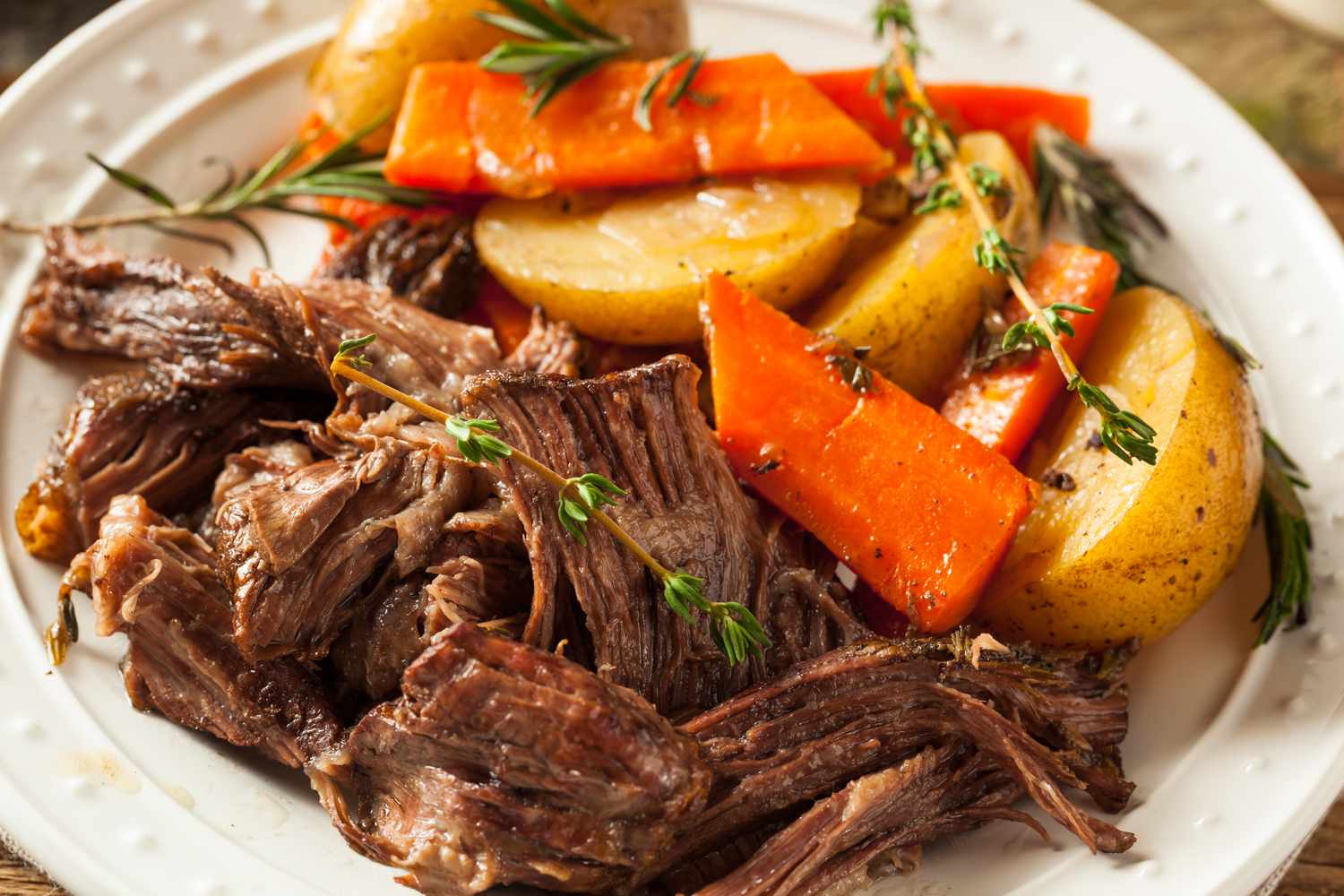
Perfect Pot Roast: Why Cut & Patience Lead to Tenderness
The quest for a truly perfect pot roast is a culinary journey many home cooks embark on, often encountering tough, disappointing results before stumbling upon success. But what if there was a roadmap to that elusive, melt-in-your-mouth tenderness every time? The secret, it turns out, isn't about fancy ingredients or complex techniques, but rather two fundamental pillars: selecting the right cut of meat and embracing the virtue of patience. Master these, and you'll unlock a `pot roast recipe` that earns rave reviews and becomes a treasured family tradition.
Many a hopeful chef has learned the hard way that you can't rush perfection when it comes to pot roast. Attempting to speed up the process with high heat or short cooking times will invariably lead to a chewy, unappetizing outcome. Similarly, choosing the wrong starting point – a lean cut intended for quick grilling – is a recipe for culinary disaster. But when you align these two critical elements, you're not just cooking; you're transforming humble ingredients into something truly extraordinary.
The Foundation of Flavor: Choosing the Right Cut of Meat
The journey to a tender pot roast begins long before you even preheat your oven. It starts at the butcher counter. The cut of meat you choose is, without exaggeration, the single most important factor in achieving that coveted succulence. Forget lean, quick-cooking cuts like sirloin or tenderloin; these are destined for different culinary fates. For a pot roast, you need a tougher cut, rich in connective tissue and marbling.
Our top recommendation, and a favorite among seasoned cooks, is the
chuck roast. This cut, typically from the shoulder of the steer, is wonderfully marbled with fat, and crucially, boasts an abundance of connective tissue. When subjected to low and slow cooking, this connective tissue, primarily collagen, slowly breaks down. It transforms into gelatin, a natural lubricant that tenderizes the muscle fibers and creates that rich, luscious mouthfeel we all crave.
Other excellent choices include
brisket (especially the flat cut) or
bottom round. Like chuck, these cuts are inherently tough and would be inedible if cooked quickly. However, their high collagen content makes them prime candidates for the braising process. The magic happens over several hours, as the gentle heat and moisture work to dissolve those tough fibers, resulting in fork-tender meat that practically falls apart. Skipping this vital step of choosing a fibrous, fatty cut is akin to building a house on sand – it simply won't stand up.
The Art of Patience: Embracing Low and Slow Cooking
Once you have your perfectly chosen cut, the next, equally vital ingredient is patience. You simply cannot rush a pot roast. Trying to hurry the cooking process, whether by increasing the temperature significantly or cutting short the cooking time, is the most common pitfall leading to a tough, disappointing meal. As the saying goes, "good things come to those who wait," and nowhere is this truer than with a perfectly braised pot roast.
The reason "low and slow" is the golden rule lies in the science of meat tenderization. As discussed, the connective tissues need ample time at a moderate temperature to slowly break down into gelatin. High heat would cause the muscle fibers to seize up and toughen, squeezing out moisture and leaving you with a dry, chewy result. Gentle, prolonged cooking, on the other hand, allows the meat to relax, absorb the flavorful braising liquid, and gradually transform into a silky, tender texture.
Mastering the Braise: Techniques and Tips
There are several popular methods for achieving this coveted tenderness, each with its own merits:
*
Oven Braising (Dutch Oven): This is a classic and highly recommended method. A heavy, oven-safe pot like a Dutch oven is ideal. It allows you to brown your meat and vegetables on the stovetop, then transfer the entire pot to the oven to finish cooking. Most `pot roast recipe` variations call for an oven temperature around 300-350°F (150-175°C). Crucially, the pot should be
covered tightly throughout most of the cooking process. This locks in moisture, ensuring the beef continuously braises in its flavorful liquid, yielding the most succulent results.
*
Slow Cooker: For ultimate convenience, a slow cooker is an excellent choice. It provides consistent low heat over an extended period, making it perfect for hands-off cooking throughout the day. While it might not offer the initial high heat for browning in the same vessel, the prolonged gentle cook ensures exceptional tenderness.
*
Instant Pot: For those seeking speed without sacrificing tenderness, an Instant Pot (or similar pressure cooker) can drastically cut down cooking time. Pressure cooking rapidly breaks down connective tissues, offering a tender roast in a fraction of the traditional time. While it's a departure from the "slow" aspect, it still relies on pressure to achieve the same chemical breakdown that gentle heat does over hours.
Regardless of your chosen method, the principle remains the same: create an environment where the tough cuts can slowly surrender their resistance and become gloriously tender. For more in-depth guidance on achieving optimal tenderness, explore our
Mastering Melt-in-Your-Mouth Pot Roast: Expert Tips.
The Essential First Step: Browning and Deglazing
While the slow cook is paramount for tenderness, the initial browning of your meat and vegetables is absolutely critical for flavor. Is it *absolutely* necessary? No, your roast will eventually become tender even if you skip this. But will it be an *absolutely* better pot roast? Yes, without a doubt.
Browning the meat creates a rich, caramelized crust through what's known as the Maillard reaction – a complex chemical process that develops hundreds of new flavor compounds. This deep, savory foundation cannot be replicated. Sear your chuck roast on all sides until it's deeply golden brown. Likewise, browning your aromatic vegetables (onions, carrots, celery) before adding liquids enhances their sweetness and depth.
After browning, the next crucial step is
deglazing the pan. This involves pouring liquid (such as wine or beef stock) into the hot pan and scraping up all those flavorful browned bits stuck to the bottom. These "fond" bits are pure flavor gold, and incorporating them into your braising liquid is key to a rich, complex sauce.
To Wine or Not to Wine?
Many `pot roast recipe` variations call for red wine in the braising liquid. A dry red wine, like a Cabernet Sauvignon or Merlot, adds a wonderful depth and acidity that brightens the overall flavor profile. You don't need an expensive bottle; just something you'd enjoy drinking.
However, if you prefer to skip the wine, don't despair! You can absolutely make a rich, flavorful pot roast without it. Simply substitute the wine with an equal amount of good quality beef stock. The result will still be incredibly delicious, with a robust beefy flavor. For a deeper dive into these choices and other cooking methods, check out our
Pot Roast Q&A: Browning, Wine, and Top Cooking Methods.
Beyond the Basics: Enhancing Your Pot Roast Experience
A well-made pot roast is a meal in itself, but a few additional tips can elevate your creation to legendary status:
* **Aromatics and Herbs:** Don't shy away from fresh herbs like sprigs of rosemary and thyme, bay leaves, or whole garlic cloves. They infuse the braising liquid with an incredible aroma and taste.
* **Vegetables:** Root vegetables like carrots, potatoes, and parsnips are classic accompaniments. For firmer vegetables, add them halfway through the cooking process. For softer, melt-in-your-mouth veggies, add them closer to the beginning.
* **Seasoning:** Season generously with salt and freshly ground black pepper at every stage – when browning the meat, sautéing the vegetables, and seasoning the braising liquid. Taste and adjust as needed.
* **The Magic of Leftovers:** One of the greatest joys of a pot roast is its incredible versatility and flavor the next day. Stored in an airtight container in the refrigerator, leftover pot roast will keep for up to four days, often tasting even better as the flavors meld further. And yes, it freezes beautifully for up to three months, making it an excellent meal-prep option.
In conclusion, achieving the perfect pot roast is less about a secret ingredient and more about respecting the process. By thoughtfully selecting a marbled, collagen-rich cut like chuck roast and committing to a low-and-slow cooking method, you are guaranteed to transform tough fibers into tender, succulent meat. Factor in the crucial flavor-building steps of browning and deglazing, and you'll find yourself with a `pot roast recipe` that’s not just a meal, but a comforting masterpiece. Embrace the patience, savor the aroma, and enjoy the unparalleled satisfaction of serving a truly perfect pot roast.